In today’s high-stakes aerospace landscape, every component counts. As we move into 2025, selecting a certified aerospace supplier is no longer just a quality assurance step—it’s a business-critical decision that affects safety, efficiency, and market competitiveness.
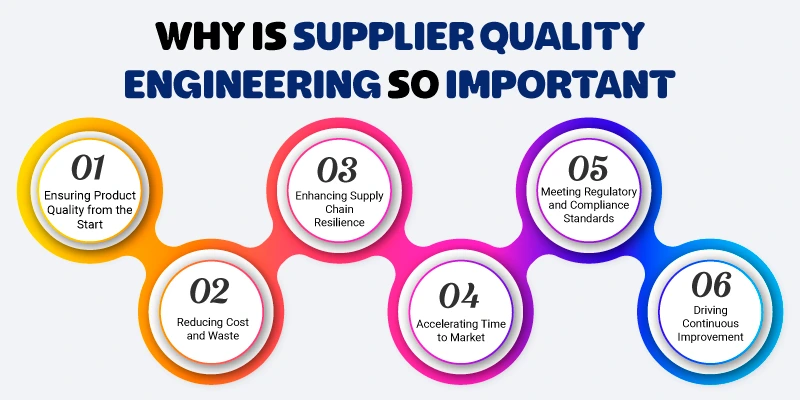
1. Quality Starts at the Source
No aircraft system can perform reliably if its parts aren’t built to specification. Certified suppliers follow strict industry standards (such as AS9100), ensuring that every bolt, seal, and component meets precise requirements. This foundation reduces the risk of failures and guarantees product integrity from day one.
2. Proactive Supplier Quality Control
Modern supply chains demand more than reactive quality checks. Certified suppliers invest in Supplier Quality Engineering (SQE) frameworks—applying quality planning, early defect detection, and data-driven feedback loops. This approach prevents costly rework and ensures that production stays lean and reliable.
3. Reducing Risk in Global Supply Chains
In a world of unstable logistics and shifting regulations, working with certified aerospace suppliers adds a layer of predictability. Their established protocols, traceability records, and compliance history help mitigate risks across the board—from late deliveries to safety audits.
4. Time-to-Market Advantages
Aerospace innovation runs on speed. Certified suppliers streamline onboarding through documented processes, proven past performance, and rapid response systems. That means fewer production delays and faster go-to-market timelines for your aircraft systems or components.
5. Regulatory Peace of Mind
The aerospace industry is heavily regulated, and failing compliance can ground entire projects. Certified vendors typically hold credentials that align with FAA, EASA, or AS standards. Choosing them helps ensure your entire production pipeline meets legal and industry guidelines—without unpleasant surprises.
6. Long-Term Strategic Value
When you choose a certified supplier, you’re not just buying parts—you’re building a long-term partnership. These suppliers often engage in continuous improvement programs, offer design-for-manufacturing (DFM) insights, and work closely with OEMs to refine every production stage.
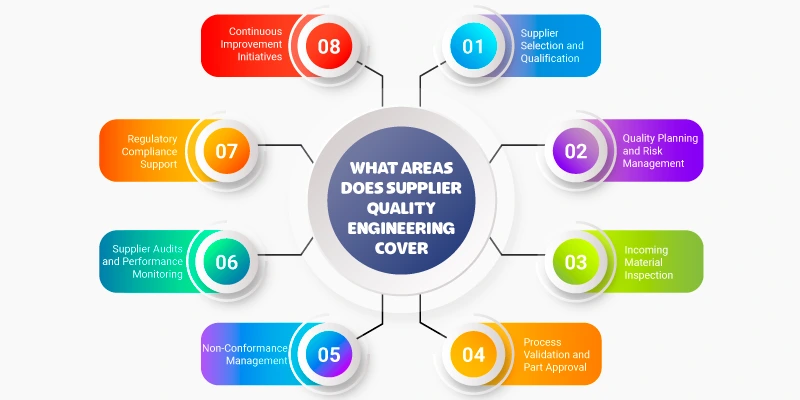
What Areas Does Supplier Quality Engineering Cover?
Supplier Quality Engineering (SQE) spans several critical areas to ensure aerospace components meet the industry’s rigorous standards. This includes incoming inspection of raw materials, process capability analysis, non-conformance management, supplier audits, and corrective/preventive action (CAPA) implementation. By covering such broad functions, SQE acts as the front line in maintaining product reliability, safety, and regulatory compliance across the entire aerospace supply chain.
Conclusion
As aerospace technologies evolve and competition intensifies, your choice of supplier becomes a key strategic differentiator. Certified Aerospace Supplier bring quality, consistency, and innovation to the table—ensuring your organization doesn’t just meet standards but exceeds them.