Introduction
The aviation industry is undergoing a technological revolution. One of the most impactful innovations is predictive maintenance using artificial intelligence (AI). Instead of relying solely on scheduled inspection reactive repairs, airlines and Maintenance, Repair, and Overhaul (MRO) providers now leverage real-time data and machine learning to predict component failures before they occur.
.Predictive maintenance in aviation is not just a trend — it is reshaping safety standards, operational efficiency, and cost management across the industry
What Is Predictive Maintenance in Aviation?
Predictive maintenance is a proactive maintenance strategy that uses data analytics, sensors, and AI algorithms to monitor aircraft systems and forecast potential failures.
Unlike traditional maintenance approaches:
• Reactive maintenance fixes problems after failure.
• Preventive maintenance follows scheduled intervals.
• Predictive maintenance anticipates failures based on real-time performance data.
This data-driven approach enables airlines to make smarter maintenance decisions.

How AI Powers Predictive Maintenance
Artificial intelligence plays a critical role in processing massive amounts of operational data generated by modern aircraft.
1. Real-Time Sensor Monitoring
Aircraft are equipped with thousands of sensors that track:
• Engine temperature
• Vibration levels
• Hydraulic pressure
• Fuel efficiency
• Electrical system performance
AI systems continuously analyze this data to detect anomalies.
2. Machine Learning Algorithms
Machine learning models identify patterns in historical maintenance records and operational data. Over time, these systems improve their accuracy in predicting:
• Engine component wear
• Avionics malfunctions
• Structural fatigue
• System performance degradation
3. Predictive Analytics Dashboards
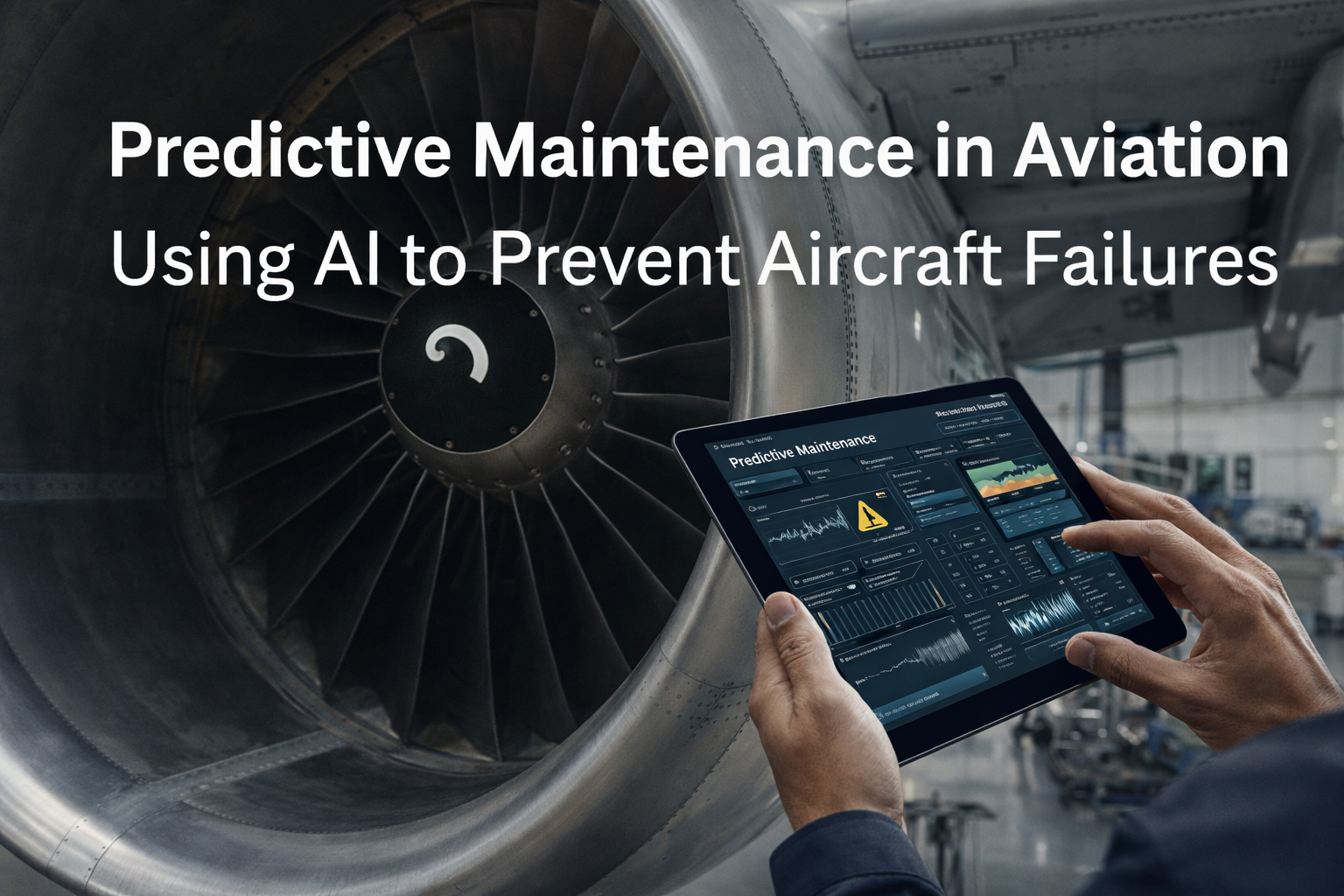
Modern MRO teams use AI-powered dashboards that provide:
• Failure probability scores
• Maintenance scheduling recommendations
• Risk assessment insights
This enhances decision-making across engineering teams.
Key Benefits of Predictive Maintenance in Aviation
1. Reduced Aircraft Downtime
Unscheduled maintenance causes flight delays and operational disruptions. Predictive maintenance minimizes unexpected failures, keeping aircraft in service longer.
2. Improved Aviation Safety
By identifying potential component failures early, AI systems help prevent critical in-flight malfunctions. This strengthens overall aviation safety standards.
3. Lower Maintenance Costs
Predictive maintenance reduces:
• Emergency repairs
• Spare parts overstocking
• Labor inefficiencies
• Aircraft-on-ground (AOG) situations
Long-term cost savings significantly outweigh initial technology investments.
4. Optimized Inventory Management
AI systems forecast which parts are likely to require replacement. This enables better inventory planning and reduces supply chain waste.
The Role of Big Data in Aviation Maintenance
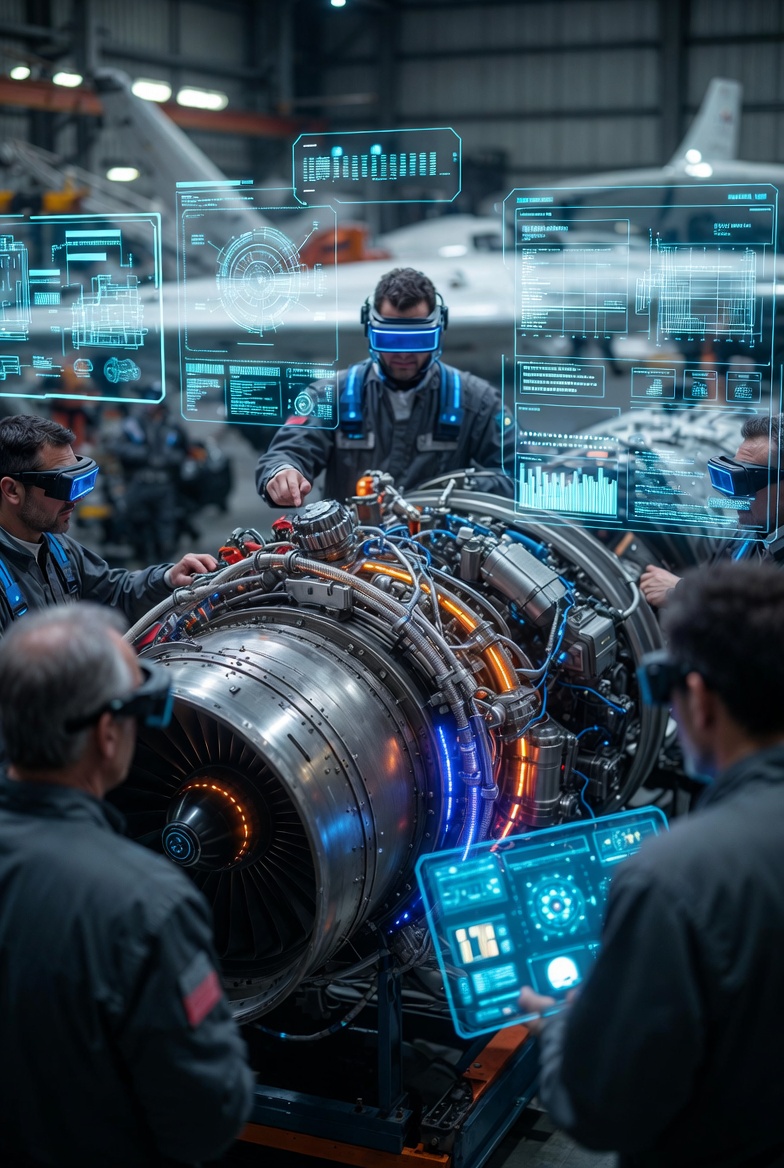
Modern aircraft generate terabytes of data per flight. Advanced aircraft such as the Boeing 787 and Airbus A350 are designed with integrated health monitoring systems.
This data includes:
• Flight performance metrics
• Component stress analysis
• Environmental exposure data
AI platforms convert raw data into actionable insights, helping maintenance teams act before issues escalate.
Challenges of Implementing AI in Aviation Maintenance
While predictive maintenance offers major advantages, implementation requires:
:Data Integration
Legacy systems must integrate with modern AI platforms.
Regulatory Compliance:
Aviation authorities such as the Federal Aviation Administration and European Union Aviation Safety Agency require strict documentation and validation of AI-based maintenance decisions.
Cybersecurity:
Protecting aircraft operational data from cyber threats is critical.
Despite these challenges, the long-term operational and safety benefits make adoption essential.
The Future of AI-Driven Aircraft Maintenance
The future of aviation maintenance includes:
• Autonomous diagnostics
• Blockchain-based parts traceability
• AI-driven supply chain forecasting
• Digital twin aircraft simulations
As AI technology evolves, predictive maintenance will become the industry standard rather than a competitive advantage.
Airlines that invest early in AI-driven maintenance systems will gain:
• Higher operational reliability
• Stronger safety records
• Improved passenger confidence
• Better regulatory compliance
Conclusion
Predictive maintenance using AI in modern aviation represents a fundamental shift from reactive repair to intelligent prevention. By combining real-time sensor data, machine learning, and predictive analytics, airlines and MRO providers can significantly reduce downtime, enhance safety, and optimize costs.
As aviation continues its digital transformation, AI-powered maintenance systems will play a central role in shaping the future of safe, efficient, and sustainable flight operations.